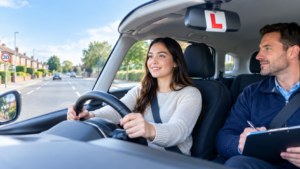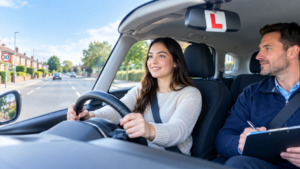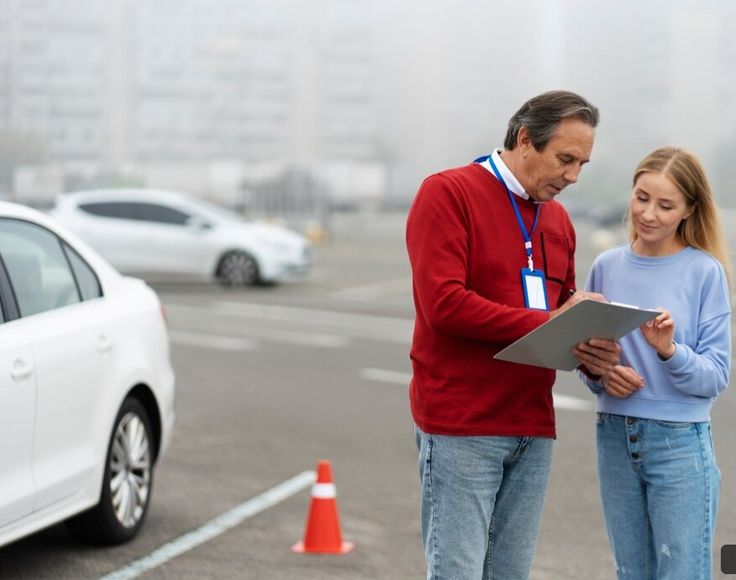
Picture this: you are sitting in the driver’s seat for the first time. Your hands grip the steering wheel, and your heart races slightly. Before you even start the engine, you face a major choice. Should you learn to use a clutch and gear stick, or keep things simple with two pedals? Deciding between manual vs automatic driving lessons UK style is one of the biggest hurdles for new learners.
With more automatic vehicles hitting the roads every year, the choice is no longer as obvious as it used to be. This guide will walk you through everything you need to know about beginner driving lessons, helping you make the best decision for your budget, confidence, and driving future.
What Are Manual Driving Lessons?
Manual driving lessons teach you how to operate a car with a manual transmission. In these vehicles, you must manually change gears using a gear stick and a clutch pedal.
When you drive a manual car, you control the power transfer from the engine to the wheels. You press the clutch pedal down to disconnect the engine, select a new gear, and slowly release the clutch while pressing the gas pedal. In the UK, learning to drive a manual car is the traditional route.
Pros:
- You earn a license that lets you drive both manual and automatic cars.
- Manual lessons are often slightly cheaper.
- Manual cars are usually less expensive to buy and repair.
- You gain greater control over the vehicle in tough weather conditions.
Cons:
- There is a steeper learning curve because you must master clutch control.
- Stalling the car can cause anxiety for nervous drivers.
- Driving in heavy stop-and-go traffic requires constant gear changes.
What Are Automatic Driving Lessons?
Automatic driving lessons take place in a vehicle that shifts gears for you. Instead of a clutch and a gear stick, you only have an accelerator and a brake pedal.
Because the car’s computer handles the gear changes based on your speed, you can focus entirely on the road, steering, and hazard perception. This makes the initial learning process much smoother. However, there are significant UK licensing implications to consider. If you pass your test in an automatic car, you are legally restricted to driving only automatic vehicles.
Pros:
- You learn faster because there is no clutch to master.
- You cannot stall the car, which builds confidence quickly.
- City driving is much more relaxing without constant gear changes.
- Perfect for learners with certain physical disabilities or mobility issues.
Cons:
- Passing the automatic driving test UK restricts you to automatic cars only.
- Automatic lessons generally cost more per hour.
- Automatic vehicles are often more expensive to buy and insure.
Manual vs Automatic Driving Lessons UK: The Ultimate Comparison
To help you visualize the differences, here is a breakdown of how manual and automatic driving lessons compare in the UK.
| Feature | Manual Lessons | Automatic Lessons |
| Difficulty Level | Harder (requires clutch control and gear coordination) | Easier (simply steer, accelerate, and brake) |
| Cost of Lessons | Generally lower per hour | Usually higher per hour |
| Pass Rate Trends | Often slightly lower due to stalling and gear faults | Typically higher as learners focus more on road safety |
| Future Flexibility | High (can drive both manual and automatic cars) | Low (restricted to automatic vehicles only) |
| Driving Experience | Engaging, offers more mechanical control | Relaxed, smoother in heavy traffic |
| Job/Insurance Factors | Broadens career options (e.g., delivery drivers) | Can limit commercial driving jobs; insurance may be higher |
Which Should You Choose? A Learner’s Decision Guide
Choosing between manual and automatic depends entirely on your lifestyle, goals, and learning style.
First-Time Learners
If you want maximum flexibility for the rest of your life, start with manual lessons. Earning a full manual driving licence UK ensures you can rent any car abroad, borrow a friend’s vehicle, or buy whatever used car fits your budget.
Nervous Drivers
If the thought of stalling at a busy roundabout terrifies you, automatic lessons are a fantastic choice. Removing the clutch pedal allows you to focus on reading the road, building your confidence rapidly.
Career Drivers
Do you plan to work in delivery, logistics, or trades? You should absolutely choose manual driving lessons. Many company fleets still rely heavily on manual vans and cars. Having an automatic-only license could severely limit your job opportunities.
City vs Rural Driving
If you live in a busy city like London or Manchester, an automatic car makes stop-and-go traffic much less exhausting. If you live in a rural area with steep hills and winding roads, a manual car gives you better control over your gear selection.
Budget Considerations
While automatic lessons cost more per hour, you often need fewer of them to reach test standard. However, buying your first car will likely be cheaper if you shop for a manual.
UK-Specific Rules & Licensing Information
The Driver and Vehicle Standards Agency (DVSA) has strict rules regarding driving tests in the UK.
If you take your practical test in a manual car, you will receive a full UK driving license category B. This permits you to drive both manual and automatic vehicles.
If you take the automatic driving test UK, your license will feature a specific code (Code 78). This legally restricts you to driving automatic cars. If you ever want to drive a manual car in the future, you must take a completely new practical driving test in a manual vehicle. You will not, however, need to retake your theory test.
Expert Driving Instructor Insights
To give you the best advice, we look at what experienced driving instructors say about choosing between the two.
Common Mistakes Learners Make
Many learners give up on manual lessons too quickly. Instructors note that clutch control usually clicks into place after about five to eight hours of practice. Switching to automatic after just two bad lessons is a common, often unnecessary, mistake.
Real-World Learning Tips
- Try before you decide: If you are unsure, book a two-hour manual lesson. If you absolutely hate it, switch to automatic.
- Focus on the big picture: Driving is 20% car control and 80% hazard perception. Automatic cars let you master the 80% much faster.
- Think about the future: The UK is moving toward electric vehicles (EVs), which are all automatic. In 10 to 15 years, manual cars will be far less common.
Cost Comparison
When weighing the financial impact, look beyond just the hourly rate of a driving instructor.
In the UK, average manual driving lessons cost between £30 and £35 per hour. Automatic lessons usually cost between £35 and £40 per hour. Since the DVSA recommends around 45 hours of professional instruction, an automatic learner might spend roughly £225 more on lessons overall.
However, the real financial difference comes after you pass. Manual cars dominate the cheaper end of the used car market. Furthermore, replacing a manual gearbox is significantly cheaper than fixing a broken automatic transmission.
FAQs on Manual vs Automatic Driving Lessons UK
Is automatic easier than manual in the UK?
Yes. Because you do not have to operate a clutch or change gears, you can give your full attention to the road. This makes learning to drive much easier and less stressful for most people.
Can I switch from automatic to manual later?
Yes, but you will need to take another practical driving test in a manual car. Upgrading your automatic license to a manual driving licence UK requires demonstrating safe clutch and gear use to a DVSA examiner.
What is better for beginners?
For sheer ease of learning, automatic is better. However, for long-term flexibility and cheaper vehicle options, manual beginner driving lessons are the smarter choice.
Do automatic cars cost more to insure?
Generally, yes. Automatic cars are often more expensive to repair because their gearboxes are complex. Insurers sometimes pass these potential repair costs onto the driver through higher premiums.
Conclusion
Deciding between manual and automatic comes down to your personal needs. If you want maximum flexibility, cheaper used cars, and broader career options, mastering the clutch is worth the effort. On the other hand, if you want a faster, less stressful route to passing your test—and do not mind the licensing restrictions—automatic is the way to go.
Take time to evaluate your budget, where you live, and how you handle stress before booking your first block of instruction. Whether you choose two pedals or three, understanding the facts about manual vs automatic driving lessons UK will set you up for a lifetime of safe and happy driving.