Learning to drive in this part of the capital gives you a genuine test of your skills. Driving lessons South West London cover a mix of quiet residential streets, busy high roads, and tricky junctions that prepare you for anything the DVSA driving test throws at you. From the roundabouts near Wimbledon to the bus lanes around Clapham, you gain real experience that sticks with you long after you pass.
This guide walks you through the costs, the areas covered, the difference between manual and automatic tuition, and what happens during your first lesson. Whether you’re a nervous beginner or coming back for refresher driving lessons, you’ll know exactly what to expect.
Why Choose Driving Lessons in South West London?
South West London packs an unusual variety of road conditions into a small area. That’s a real advantage for learner drivers.
- Variety of road types: You practice on 20mph zones, main arterial roads, dual carriageways, and narrow one-way systems.
- Real traffic experience: Cyclists, buses, and pedestrians keep you alert, building habits that make you a safer driver for life.
- Confidence building: Regular exposure to challenging conditions means test-day nerves fade faster.
- Experienced instructors: Many local ADIs have taught these exact test routes for years and know each examiner’s common trouble spots.
- Flexible schedules: Most driving schools South West London offer daytime, evening, and weekend slots to fit around work or study.
Takeaway: Busy, varied roads make this area one of the best places to learn practical, real-world driving.
Areas Covered
Coverage depends on the individual driving school, but most instructors work across the main South West London neighbourhoods. Ask before you book to confirm your area is included.
Common areas covered include:
- Wimbledon — hilly roads and the challenging one-way system near the town centre
- Putney — riverside routes and the busy Putney High Street
- Clapham — heavy traffic around Clapham Common and Clapham Junction
- Battersea — dense residential streets and new-build areas near the power station
- Wandsworth — the notorious Wandsworth gyratory, great for roundabout practice
- Tooting — narrow parking-heavy streets and busy junctions
- Balham — a mix of high-street traffic and quiet side roads
- Richmond — Richmond Park and hilly approaches
- Kingston — the complex one-way system and pedestrian zones
- Fulham — packed residential roads and river crossings
- Earlsfield — good for meeting-traffic manoeuvres and box junctions
- Streatham — the long, busy Streatham High Road
Local test centres such as Mitcham, Morden, and Tolworth cover many of these routes, so lessons often follow roads you’ll drive on test day.
How Much Do Driving Lessons Cost?
Driving lesson prices London-wide have risen in recent years, and South West London sits at the higher end because of demand and running costs. Below are realistic 2026 price ranges.
- Single lesson (1 hour): £38–£50
- Block booking (10 hours): £360–£460, often saving £2–£5 per hour
- Intensive driving course London (20–40 hours): £900–£1,800, depending on hours and test fees
- Automatic lessons: typically £2–£5 more per hour than manual
- Manual lessons: the standard rate and most widely available
- Weekend lessons: sometimes carry a small premium of £2–£4 per hour
Factors that affect pricing:
- Your instructor’s experience and pass rate
- Manual versus automatic tuition
- Whether you book single lessons or blocks
- Time of day and day of the week
- The car type and fuel or charging costs
Takeaway: Block bookings usually give the most affordable driving lessons per hour, so buy in bulk once you trust your instructor.
Manual vs Automatic Driving Lessons
Choosing between manual driving lessons and automatic driving lessons shapes your whole learning journey. Here’s a clear comparison.
| Factor | Manual | Automatic |
| Learning difficulty | Harder — clutch and gears take practice | Easier — no clutch or gear changes |
| Cost | Standard hourly rate | Usually £2–£5 more per hour |
| Licence type | Drive both manual and automatic cars | Automatic cars only |
| Lessons needed | Often more, due to clutch control | Often fewer, focus on road skills |
| Confidence | Broader skill set | Faster confidence for anxious learners |
| Best for | Drivers wanting full flexibility | Nervous learners or busy-traffic city driving |
A manual licence lets you drive any car. An automatic licence limits you to automatics, though this matters less as electric cars, which are automatic, become common.
Takeaway: Pick manual for flexibility, or automatic if you want a smoother, quicker path to your driving test pass.
What to Expect During Your First Driving Lesson
Your first lesson is calm and structured. A good instructor never rushes you.
Here’s the usual order:
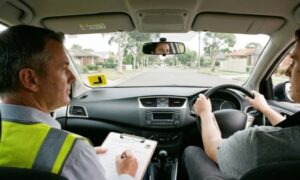
- Cockpit drill: You learn the “DSSSM” checks — doors, seat, steering, seatbelt, and mirrors.
- Vehicle controls: Your instructor explains the pedals, gears, indicators, and handbrake.
- Clutch control: In a manual car, you find the biting point on a quiet road.
- Moving off and stopping: You practise pulling away smoothly and stopping safely at the kerb.
- Steering: You learn the pull-push method for controlled turns.
- Instructor guidance: Dual controls mean your instructor can step in, so you stay safe throughout.
Most first lessons happen on quiet residential streets, not busy main roads. You’ll finish feeling far more confident than you expected.
Skills You’ll Learn
Over your course of driving tuition, you build every skill the DVSA driving test assesses. These include:
- Junctions: Emerging safely and judging gaps
- Roundabouts: Lane discipline and signalling
- Parking: Parallel, bay, and forward-bay parking
- Reversing: Controlled reverses and pulling up on the right
- Dual carriageways: Joining, lane changes, and higher-speed awareness
- Independent driving: Following signs or a sat nav for around 20 minutes
- Sat nav driving: Reading directions while staying focused on the road
- Hazard awareness: Spotting risks early and reacting calmly
- Eco driving: Smooth acceleration and gear changes that save fuel
Takeaway: By test day, these skills should feel automatic, not something you think hard about.
How Many Lessons Will You Need?
The DVSA suggests most learner drivers need around 45 hours of professional lessons plus 22 hours of private practice to reach test standard. This is guidance, not a rule.
Your own progress depends on:
- How often you take lessons
- Whether you practise between lessons
- Your confidence and prior experience
- Manual versus automatic tuition
Spacing lessons two or three times a week often works better than one lesson a week, because you retain skills more easily.
Tips for Passing Your Driving Test
Passing comes down to steady preparation, not last-minute cramming. These practical steps make a real difference.
- Practise consistently: Regular lessons keep your skills sharp.
- Take a mock driving test: A full practice run under test conditions shows where you stand.
- Get private practice: Extra hours with a family member or friend build confidence quickly.
- Manage your nerves: Deep breathing and early arrival help you stay calm.
- Learn the common faults: Poor observation at junctions and steering errors cause many fails, so focus there.
- Ask questions: A good instructor welcomes them, so never stay unsure about a manoeuvre.
After you pass, consider a Pass Plus course. It covers motorways and night driving and can reduce some insurance premiums.
Choosing the Right Driving Instructor
Picking the right driving instructor South West London matters more than any advert. Look for these signs of a trustworthy teacher.
- DVSA Approved Driving Instructor (ADI): Check for the green badge in the windscreen. A pink badge means a trainee.
- Experience: Ask how long they’ve taught in your area and their pass rate.
- Reviews: Read recent feedback from real learners.
- Patience: A calm instructor helps you learn faster and stress less.
- Structured lesson plans: Good instructors track your progress lesson by lesson.
- Transparent pricing: Clear rates, with no surprise charges for tests or car use.
Takeaway: Always confirm ADI status before your first lesson. It’s your best guarantee of quality tuition.
Frequently Asked Questions
How much are driving lessons in South West London?
Expect £38–£50 per hour for single lessons in 2026. Block bookings lower the hourly cost, and intensive courses range from £900 to £1,800.
How many driving lessons do I need to pass?
The DVSA suggests around 45 professional lesson hours plus 22 hours of private practice, but individual progress varies.
Are manual or automatic lessons better?
Manual gives you a licence to drive any car. Automatic is easier to learn and suits nervous learners or busy city driving.
Can I take an intensive driving course in South West London?
Yes. Many driving schools offer intensive courses lasting one to four weeks, ideal if you want to pass quickly.
Do driving schools cover my specific area?
Coverage depends on the school. Most work across Wimbledon, Clapham, Putney, and nearby areas, so confirm before booking.
What is a mock driving test?
It’s a full practice test under real conditions. It helps you spot weak points before your actual DVSA driving test.
Are refresher driving lessons worth it?
Yes. If you’ve passed but feel rusty, refresher lessons rebuild confidence quickly, especially for motorway or city driving.
What does Pass Plus involve?
Pass Plus is a post-test course covering motorways, night driving, and all-weather skills. It can also lower some insurance costs.
When should I book my driving test?
Book once your instructor confirms you’re driving at test standard, usually after a successful mock test.
Conclusion
Learning here gives you skills that last a lifetime. Driving lessons South West London expose you to varied roads, real traffic, and the exact test routes you’ll face on the day, which builds genuine confidence rather than just test-day tricks.
Choose a DVSA-approved instructor with clear pricing and strong reviews, practise between lessons, and use mock tests to track your progress. Book your first lesson with a reputable local driving school, and you’ll be well on your way to a confident, first-time driving test pass.