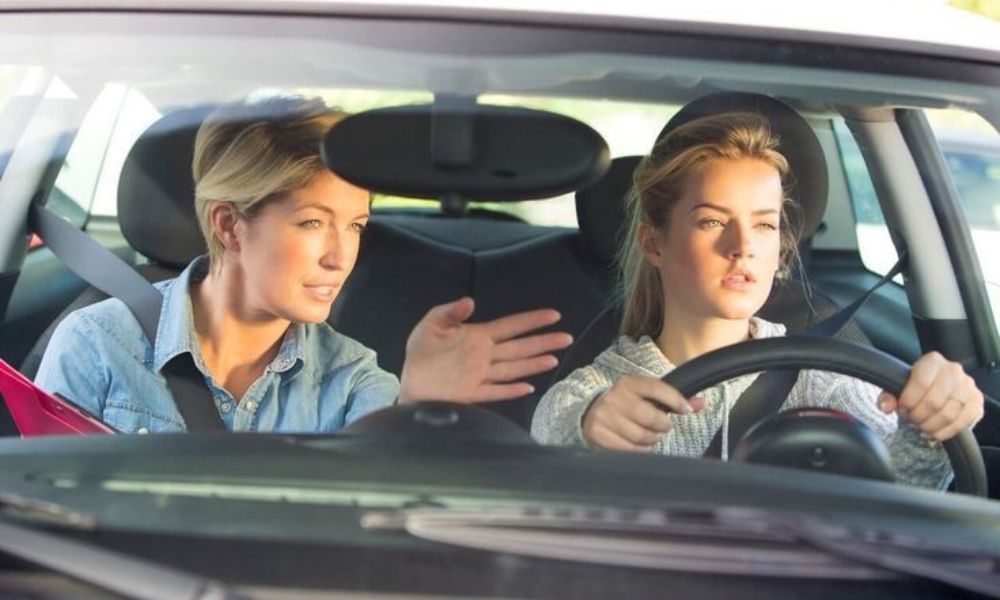
Picking between automatic vs manual driving lessons is one of the first big decisions you’ll make as a UK learner driver, and it shapes everything from your budget to the type of licence you end up holding. Manual cars have long been the default choice on British roads, but automatic vehicles are catching up fast thanks to electric vehicles (EVs), hybrid technology, and a simpler driving experience.
Your best option depends on four things: your budget, your confidence behind the wheel, your future plans, and the licence you want. Get this right before your first lesson and you can save money, feel less stressed, and reach test-ready standard sooner.
This guide breaks down the key differences, costs, licence rules, pass rates, and long-term considerations so you can choose with confidence. Here’s what you’ll find:
- How automatic and manual cars actually differ
- What each type of lesson teaches you
- A side-by-side comparison table
- Licence restrictions, costs, and pass rates
- Clear guidance on which option suits you
Automatic vs Manual Cars: What’s the Difference?
The core difference between manual and automatic vehicles comes down to how gears are changed.
A manual car requires you to operate a clutch pedal while selecting gears with the gear stick. This demands more coordination, timing, and control from the driver.
An automatic car changes gears for you, so you can focus mainly on steering, braking, road positioning, and spotting hazards.
Both vehicle types still require you to master the Highway Code, road signs, observation skills, and safe driving techniques. The key difference is that automatic learners have fewer mechanical tasks to juggle during each lesson.
Manual Driving Lessons UK: What You Learn
Manual driving lessons teach you how to:
- Use the clutch correctly
- Change gears smoothly
- Perform hill starts
- Control the vehicle at different speeds
- Prevent stalling
- Drive efficiently in various road conditions
Learning these extra skills can feel challenging at first, especially if you’re a nervous driver. But mastering manual driving often builds greater confidence, because you develop a deeper understanding of how the vehicle works.
Many UK driving instructors still recommend manual lessons for younger learners who want the most flexibility in the years ahead.
Automatic Driving Lessons: What You Learn
Automatic driving lessons remove the need to operate a clutch or change gears by hand. Instead, you focus on the skills that keep you safe:
- Observation
- Planning ahead
- Mirror checks
- Speed management
- Junctions
- Roundabouts
- Hazard perception
- Safe decision-making
Without the pressure of clutch control or gear changes, many learners feel far less overwhelmed. Automatic lessons can be especially helpful for:
- Nervous beginners
- Older learners
- Drivers with certain physical disabilities
- Learners who struggle with coordination
- Busy professionals who want to pass quickly
Automatic vs Manual Driving Lessons: Key Differences
Here’s a quick side-by-side comparison to help you weigh up your options.
| Feature | Automatic | Manual |
| Gear Changes | Automatic | Driver changes gears |
| Clutch Pedal | No | Yes |
| Learning Difficulty | Easier | More challenging |
| Risk of Stalling | None | Possible |
| Test Complexity | Lower | Higher |
| Licence Flexibility | Automatic vehicles only | Manual and automatic vehicles |
| Driving Experience | Simpler | Greater vehicle control |
Automatic vehicles clearly simplify the driving process. Manual training, though, gives you extra skills that stay useful in many situations.
Which Is Easier to Learn: Automatic or Manual?
For most beginners, automatic driving lessons are easier. Without clutch control and gear changes to manage, you can concentrate on road awareness instead of vehicle mechanics.
Many instructors report that automatic learners often:
- Feel more relaxed
- Gain confidence faster
- Require fewer lessons
- Make fewer errors caused by stalling
Still, “easier” doesn’t always mean “better.” Safe driving relies on the same core skills regardless of transmission:
- Excellent observation
- Good judgement
- Hazard anticipation
- Proper mirror use
- Correct road positioning
Whichever car you learn in, you must demonstrate safe driving habits to pass the practical test.
Driving Licence Restrictions in the UK
This is one of the most important points to understand before you book.
Passing a manual driving test lets you legally drive both:
- Manual vehicles
- Automatic vehicles
Passing an automatic driving test only lets you drive automatic vehicles.
If you later decide you want to drive a manual car, you’ll need to take another practical test in a manual vehicle. If you’re unsure about your future driving needs, this restriction is worth thinking through carefully.
Cost Comparison: Automatic vs Manual Lessons
Lesson prices vary depending on your location, your instructor’s experience, and the lesson package you choose. As a general guide:
Manual lessons
- Usually slightly cheaper per lesson
- Wider availability of instructors
- More used manual vehicles on the market
Automatic lessons
- Often cost slightly more per lesson
- Fewer instructors available in some areas
- Higher purchase and maintenance costs for training vehicles
Here’s the catch many learners miss: automatic learners often need fewer lessons overall. As a result, your total learning cost may end up similar either way. Rather than focusing only on the hourly rate, weigh up the full investment needed to become a safe, confident driver.
Test Pass Rates: Does Transmission Matter?
Pass rates change every year and depend on many factors, including:
- Instructor quality
- Learner preparation
- Test centre
- Confidence
- Experience
Some learners assume automatic tests are easier because there are fewer vehicle control tasks. While automatic learners do avoid errors like stalling or wrong gear selection, they’re still assessed against the exact same standards:
- Observation
- Planning
- Road positioning
- Speed control
- Decision-making
- Safety
The bottom line: success depends on preparation, not transmission type.
Which Option Is Better for Nervous Drivers?
Automatic driving lessons are often recommended for nervous learners. Removing gear changes cuts your workload inside the car, so you can build confidence more quickly.
Many anxious learners say they feel more relaxed during:
- Roundabouts
- Busy junctions
- Traffic queues
- Hill starts
- City driving
Lower stress levels improve concentration, helping you focus on safe driving habits instead of worrying about clutch control.
Manual Driving Lessons Offer Greater Flexibility
Even as automatic vehicles grow in popularity, a manual licence still carries real advantages. With a manual licence, you can:
- Drive almost any car
- Hire vehicles more easily
- Borrow family vehicles
- Access a wider range of used cars
- Apply for jobs that require manual driving
The UK vehicle market is gradually shifting toward automatic and electric cars, but manual vehicles remain widely available. If you want long-term flexibility, manual lessons are still a strong investment.
EV Driving Lessons and the Rise of Automatic Cars
The UK automotive industry is changing quickly. Electric vehicles (EVs) and most hybrids run on automatic transmissions, so demand for automatic and EV driving lessons keeps climbing.
As more manufacturers move toward electrification, many first-time buyers are choosing automatic vehicles because they offer:
- Easier urban driving
- Less driver fatigue
- Smoother handling in traffic
- Greater everyday convenience
This trend means an automatic licence is becoming more practical for drivers who expect to own automatic or electric vehicles for life.
Which Learners Should Choose Manual?
Manual lessons may be ideal if you:
- Want the most flexible driving licence
- Plan to drive different vehicle types
- Intend to work in driving-related roles
- Enjoy greater vehicle control
- Don’t mind a slightly steeper learning curve
- Want access to a wider used car market
Learning manual driving takes patience, but many drivers value being able to get behind the wheel of almost any passenger vehicle.
Which Learners Should Choose Automatic?
Automatic lessons may suit you better if you:
- Want to pass quickly
- Feel anxious about learning
- Mainly drive in cities
- Plan to buy an electric vehicle
- Prefer a simpler driving experience
- Have physical conditions that make clutch use difficult
For many modern drivers, automatic lessons offer a practical route to becoming a safe, independent driver.
How to Make the Right Decision
Before you book lessons, ask yourself these questions:
- What type of vehicle do I expect to own?
- Do I need a manual licence for work?
- Am I a confident learner?
- How important is convenience to me?
- Is my local area heavily congested?
- What is my overall learning budget?
Your answers will point you toward the lesson type that fits your circumstances. Speaking with an approved driving instructor before you commit to a package can also give you tailored guidance based on your experience and goals.
Frequently Asked Questions
Are automatic driving lessons easier?
Yes. Most learners find automatic lessons easier because there’s no clutch pedal or manual gear changing, which frees you up to focus on road awareness.
Can I drive a manual car after passing an automatic test?
No. An automatic licence only permits you to drive automatic vehicles. To drive manual cars legally, you must pass a separate manual practical test.
Do automatic lessons cost more?
Usually, yes. Automatic lessons often have slightly higher hourly rates because of increased vehicle costs and lower instructor availability. However, you may need fewer lessons overall.
Is a manual licence still worth getting?
For many learners, yes. A manual licence gives you greater flexibility and lets you drive both manual and automatic vehicles.
Are electric cars automatic?
Nearly all fully electric vehicles use automatic transmissions, which makes an automatic licence increasingly relevant as EV adoption grows.
Final Verdict: Automatic or Manual?
There’s no single right answer when comparing automatic vs manual driving lessons. The best choice depends on your driving goals, confidence, lifestyle, and future vehicle plans.
Manual lessons give you greater flexibility and let you drive both manual and automatic vehicles, making them a strong long-term investment for many learners. Automatic lessons offer a simpler learning experience, reduce your workload behind the wheel, and suit the UK’s growing fleet of electric and hybrid cars.
Whichever route you choose, your success depends far less on the transmission and far more on the quality of your instruction, regular practice, and safe driving habits.
Your next step: Decide which licence matches your future driving needs, then book a lesson with an approved instructor to test how each transmission feels. That single conversation will set you on the path to passing your test and becoming a confident, responsible driver for years to come.