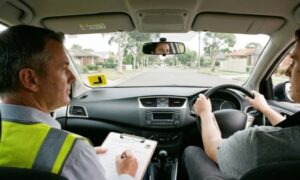
Passing your driving test on the first go is a realistic goal when you prepare the right way. These UK practical driving test tips come from years of coaching learner drivers through the DVSA practical driving test. We won’t promise a guaranteed pass, because no honest instructor can. What we can do is show you exactly how to prepare, what examiners look for, and how to avoid the mistakes that catch out most learners.
Here’s what you’ll learn in this guide:
- How the test works and how it’s marked
- The manoeuvres and safety checks you must master
- The most common reasons learners fail
- Practical ways to manage driving test nerves
Let’s get you road-ready.
Understanding the UK Practical Driving Test
The DVSA practical driving test checks whether you can drive safely and independently in real traffic. It follows the same national standard at every test centre, so you know what to expect wherever you sit it.
The test lasts around 40 minutes and includes five parts:
- An eyesight check (reading a number plate from 20 metres)
- “Show me, tell me” vehicle safety questions
- General driving on a range of roads
- One reversing manoeuvre
- 20 minutes of independent driving
You may also be asked to perform an emergency stop. Roughly one in three tests includes it.
How is the test marked? The examiner records three types of fault:
- Driving fault (minor): a small error that isn’t dangerous
- Serious fault: a mistake that could become dangerous
- Dangerous fault: an error that creates actual risk to you, the examiner, or others
How many mistakes are allowed? You can pass with up to 15 driving faults (minors). One serious or one dangerous fault results in a fail. The same minor repeated often can also be marked as a serious fault, so consistency matters.
Driving examiner expectations are simple: drive smoothly, observe well, and make safe decisions. They want a safe driver, not a perfect one.
UK Practical Driving Test Tips to Increase Your Chances of Passing
Good preparation improves your chances far more than any last-minute trick. These are the habits we see in learners who pass the first time.
- Practise consistently. Regular structured lessons build muscle memory faster than occasional cramming. Consider professional driving lessons or an intensive driving course if you want to progress quickly.
- Book mock tests. A mock driving test run under real conditions shows you exactly where you stand before the day.
- Sharpen your hazard awareness. Look well ahead, anticipate what other road users will do, and respond early.
- Use your mirrors properly. Check mirrors before signalling, changing speed, or changing direction. Examiners watch your head movements closely.
- Signal clearly and correctly. Signal in good time, and never leave one flashing after a turn.
- Control your speed. Match the limit and the conditions. Driving too slowly is marked just as often as driving too fast.
- Hold your lane discipline. Stay in the correct position, especially at roundabouts and multi-lane junctions.
Key takeaway: Safe, predictable driving is what passes tests. Aim to become a confident driver, and the pass follows.
Master the Show Me Tell Me Questions
At the start of your test, the examiner asks two vehicle safety questions. The “tell me” question comes before you drive, and the “show me” question happens while driving.
Their purpose is to prove you understand basic vehicle safety and maintenance.
Common examples include:
- Tell me how you’d check the brakes are working before a journey
- Tell me how you’d know there was a problem with the anti-lock braking system
- Show me how you’d wash and clean the rear windscreen
- Show me how you’d set the rear demister
Learn all the current questions from the official GOV.UK list. Practise saying your answers out loud until they feel natural. Get one wrong and it’s only a single minor fault, so don’t panic if you slip up.
Practice Every Manoeuvre Until It Becomes Natural
The examiner asks you to complete one reversing manoeuvre. You won’t know which one until the day, so practise them all until they feel automatic.
What manoeuvres may be included?
- Parallel parking at the side of the road
- Bay parking, either driving in and reversing out or reversing in
- Pulling up on the right, then reversing two car lengths and rejoining traffic
- The emergency stop, if selected for your test
For the emergency stop driving test element, the examiner will explain and signal it clearly. Stop quickly and under full control, keeping both hands on the wheel. Check your mirrors and blind spot before moving off again.
Expert tip: Manoeuvres are marked on control and observation. Take your time, keep looking around, and correct your position if it drifts. Slow and observant beats fast and sloppy every time.
Avoid the Most Common Reasons Learners Fail
Most fails come down to a short list of repeat mistakes. Knowing them helps you avoid them.
Common mistakes that cause fails:
- Poor observation at junctions. Not looking properly before pulling out is the single most common serious fault.
- Junction errors. Emerging when it isn’t safe, or stopping when you had priority.
- Hesitation. Waiting too long at junctions and roundabouts frustrates traffic and gets marked.
- Incorrect road positioning. Sitting too close to parked cars or drifting across lanes.
- Speed issues. Going too fast for conditions, or too slow without reason.
- Mirror checks missed. Changing speed or direction without checking first.
- Wrong or missed signals. Confusing other road users.
- Poor lane discipline on roundabouts and dual carriageways.
Key takeaway: These common driving test mistakes are all preventable with practice. Work on the ones your instructor flags most often.
Managing Driving Test Nerves
Driving test nerves are completely normal, and a little adrenaline can even sharpen your focus. The goal is to keep nerves from affecting your driving.
Here’s what helps:
- Treat it like a normal drive. You’ve done these roads in lessons. Nothing changes on the day except the person beside you.
- Sleep well the night before and eat something before you go.
- Arrive early so you’re not rushed.
- Breathe slowly. A few deep breaths at junctions and lights steadies your hands and your thoughts.
- Don’t guess your result. Even if you think you’ve made a mistake, keep driving. Learners often pass tests they were sure they’d failed.
How can you stay calm during the test? Focus only on the next instruction, not the whole test. Breathe slowly, keep your movements smooth, and remember the examiner wants you to succeed. Treating the test like a familiar practice drive lowers pressure and helps you drive the way you normally do.
Test Day Checklist
Turning up prepared removes a lot of stress. Use this quick checklist before you leave.
What should you bring to the test centre?
- Your provisional UK driving licence
- Your theory test pass certificate (keep the number handy)
- A car that’s taxed, insured, and legal for tests
- Glasses or contact lenses if you need them to drive
Quick checklist before test day:
- Confirm your test time and centre location
- Check the car’s tyres, lights, and washer fluid
- Arrive 10 minutes early
- Adjust your seat, mirrors, and head restraint before you set off
- Turn your phone off
Step-by-Step Preparation Plan
Preparation works best when it starts weeks ahead. Here’s a simple plan.
- 6 weeks before: Book regular lessons. Ask your instructor for an honest readiness assessment. Brush up with theory test resources if needed.
- 4 weeks before: Drill every manoeuvre and practise the show me tell me questions.
- 2 weeks before: Sit a full mock driving test under test conditions. Fix any weak areas.
- 1 week before: Drive the roads near your test centre. Practise independent driving and using a sat-nav.
- The day before: Rest, check your documents, and get a good night’s sleep.
Already got your licence but feeling rusty? Refresher lessons and Pass Plus courses build confidence after you pass, too.
What Happens After the Test?
Once you park up, the examiner tells you the result straight away.
- If you pass: You’ll get a pass certificate. The examiner can send your licence off for you, or you can update it yourself. You may drive alone immediately.
- If you don’t pass: The examiner explains every fault so you know exactly what to work on. You can book another test after 10 working days.
Either way, listen carefully to the feedback. It’s the clearest guide to your next steps.
Frequently Asked Questions
How hard is the UK practical driving test?
The test is challenging but fair. National pass rates sit under 50%, mostly because learners take it before they’re truly ready. With consistent practice, mock tests, and good observation habits, the test is very passable on the first attempt.
How long is the driving test?
The practical test lasts about 40 minutes from start to finish. This includes the eyesight check, safety questions, general driving, one manoeuvre, and 20 minutes of independent driving. Extended tests for some drivers can run longer.
How many mistakes are allowed?
You can make up to 15 driving faults (minors) and still pass. However, one serious fault or one dangerous fault means an automatic fail, regardless of how well the rest of your drive goes.
What causes automatic failure?
Any single serious or dangerous fault fails the test. Examples include pulling out without looking, forcing another driver to brake, ignoring traffic signals, or losing control of the vehicle.
Can you talk to the examiner?
Yes. You can talk to your examiner and ask them to repeat any instruction you didn’t hear clearly. They won’t chat much while marking, but a calm, polite exchange is completely fine and won’t affect your result.
What is the independent driving section?
For about 20 minutes, you drive by following either a sat-nav or road signs without turn-by-turn help. It tests whether you can make safe decisions on your own. Taking a wrong turn isn’t a fault, as long as you drive safely.
Do I need to pass my theory test first?
Yes. You must pass the DVSA theory test before booking your practical test. Bring the pass details on the day.
What if I fail on a small mistake?
If you fail, the examiner explains exactly what went wrong. Treat the feedback as a focused study list, book your next slot, and target those specific points in your lessons.
Conclusion
Passing on your first attempt comes down to preparation, not luck. The most reliable UK practical driving test tips are the simple ones: practise consistently, master your manoeuvres, observe well, and keep your nerves in check. Learn how the DVSA marks the test, avoid the common driving test mistakes we’ve listed, and sit a mock test before the real one.
Most of all, aim to become a genuinely safe and confident driver rather than someone who just scrapes a pass. That mindset is what examiners reward, and it’s what keeps you safe long after test day.
Start today: book a lesson, run through the checklist, and drive every practice session as if it’s the real thing. For official guidance, always check the latest DVSA information on GOV.UK.