Driving test anxiety affects almost every learner driver at some point, and if you feel nervous before your practical driving test, you are far from alone. That mix of racing thoughts, sweaty palms, and self-doubt is normal, and the good news is that it can be managed. With the right preparation, calming techniques, and support from a driving instructor, you can walk into your test feeling steadier and more focused. This guide breaks down why nerves happen and shares practical, evidence-based ways to stay calm behind the wheel.
What Is Driving Test Anxiety?
Driving test anxiety is the stress, worry, or fear you feel before or during your practical driving test. It shows up as physical symptoms like a fast heartbeat and mental ones like negative thinking or trouble concentrating.
It is a specific form of performance anxiety, similar to what people feel before exams, interviews, or public speaking. Your body reacts to a high-stakes moment even when you are perfectly capable of doing the task.
Anxiety is not a sign that you are a bad driver. It simply means the test matters to you.
Why Driving Tests Cause Anxiety
A driving test combines several stress triggers at once. You are being judged, you cannot fully control the road, and the outcome feels important for your independence.
Common reasons learner drivers feel anxious include:
- Fear of failing and having to retake the test
- Being watched by an examiner who scores every move
- Unfamiliar test routes or roads you have not practiced
- Pressure from family or friends who expect you to pass
- Past mistakes during lessons or a previous attempt
According to the American Psychological Association, anxiety often rises when we face situations we see as threatening and outside our control. A driving test ticks both boxes, which explains why even confident learners feel their nerves spike on the day.
Common Symptoms Before a Driving Test
Recognizing your symptoms helps you respond to them calmly instead of panicking. Anxiety shows up in the body, the mind, and your behavior.
Physical symptoms:
- Racing heartbeat or shortness of breath
- Sweaty or shaky hands
- Upset stomach or “butterflies”
- Tense shoulders and a dry mouth
Mental symptoms:
- Racing or negative thoughts
- Trouble focusing on the road
- Blanking on things you already know
Behavioral signs:
- Fidgeting or gripping the wheel too tightly
- Rushing through vehicle controls checks
These reactions are your body’s natural stress response. They usually fade once the test begins and you settle into driving.
How Anxiety Affects Your Driving Performance
A little nervous energy can actually sharpen your focus. Too much anxiety, though, works against you and can affect safe driving.
When stress levels climb, your body releases adrenaline. This can slow your reaction time, narrow your attention, and make you second-guess simple decisions like checking mirrors or judging a gap. You might miss a hazard you would normally spot with ease during hazard perception.
Driving instructors generally agree that high anxiety leads to two common errors: overthinking basic maneuvers and rushing to “get it over with.” Both increase the chance of small mistakes.
The goal is not to erase nerves completely. It is to keep them at a level where you stay alert without losing focus on road safety.
10 Proven Ways to Reduce Driving Test Anxiety
Managing test-day nerves comes down to steady preparation and a few reliable calming habits. Here are ten practical strategies that instructors and road safety experts commonly recommend.
1. Get Enough Sleep
Aim for a full night of rest before your test. The CDC recommends adults get at least seven hours of sleep, and being well-rested improves concentration and reaction time. Avoid late-night cramming, which tends to raise anxiety rather than build skill.
2. Practice Mock Tests
A mock driving test mirrors real test conditions with your driving instructor acting as the examiner. Repeating this builds familiarity so the real test feels less intimidating. The more your brain sees the situation as “normal,” the calmer you stay.
3. Arrive Early
Rushing raises stress before you even sit in the car. Arrive 15 to 20 minutes early so you have time to breathe, use the restroom, and settle your mind. A calm start sets the tone for the whole test.
4. Control Your Breathing
Deep breathing is one of the fastest ways to steady your nerves. Try breathing in for four seconds, holding for four, then exhaling for four. Slow breathing signals your body that you are safe, which lowers your heart rate.
5. Avoid Too Much Caffeine
Coffee and energy drinks can worsen a racing heart and jittery hands. Cut back on caffeine on test day. If you need a drink, choose water to stay hydrated without adding to your anxiety.
6. Focus on Safe Driving
Instead of aiming for a “perfect” drive, focus on driving safely and following the rules. Concentrate on mirrors, signals, speed limits, and defensive driving. This shifts your attention away from fear and toward actions you can control.
7. Accept Small Mistakes
One minor error does not automatically mean a fail. If you stall or misjudge something, stay composed and keep driving safely. Dwelling on a small slip often causes bigger mistakes than the original error.
8. Visualize Success
Before the test, picture yourself driving calmly and handling the test route with confidence. Sports psychologists use visualization to prepare athletes, and the same technique helps learner drivers feel more prepared and less anxious.
9. Eat a Balanced Meal
Take the test on a full but not heavy stomach. Choose slow-release foods like oatmeal, whole grains, eggs, or bananas. Steady blood sugar supports concentration, while skipping meals can leave you shaky and distracted.
10. Listen to Your Instructor
Your driving instructor knows your strengths and the local roads well. Trust their guidance on when you are ready and follow their feedback. Their reassurance is one of the most valuable tools for building driving confidence.
What Driving Examiners Really Look For
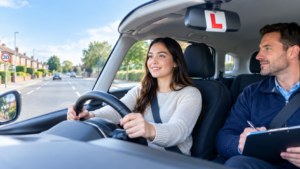
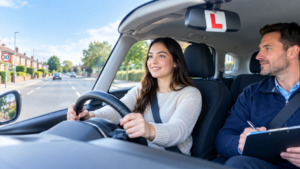
Many learners assume the examiner wants them to fail. The opposite is true. An examiner’s job is to confirm you can drive safely and independently, not to trick you.
Examiners generally assess whether you:
- Follow road safety rules and speed limits
- Use mirrors, signals, and vehicle controls correctly
- Show good hazard perception and awareness
- Stay in control during maneuvers
- Make safe, sensible decisions
The DVSA, which sets driving test standards in the UK, focuses on whether faults are minor or serious for road safety. A handful of small mistakes will not fail you. Serious or dangerous faults will. Examiners expect a few nerves and are trained to remain calm and professional throughout.
Common Myths About Driving Test Anxiety
Misinformation makes anxiety worse. Let’s clear up a few myths.
| Myth | Reality |
| One small mistake means an instant fail | Minor faults are allowed within limits |
| Examiners want you to fail | They assess safe, independent driving |
| Only weak drivers get nervous | Even experienced drivers feel test nerves |
| You must hide your nerves | Telling your examiner is completely fine |
| Nerves ruin every test | Managed nerves rarely affect the result |
Understanding the facts helps you feel more in control and reduces unnecessary driving exam anxiety.
Frequently Asked Questions
Why do I get anxious before my driving test?
You feel anxious because a driving test is a high-pressure event where you are judged and cannot control everything on the road. Your body reacts with adrenaline, causing a fast heartbeat and racing thoughts. This is a normal stress response and a sign the test matters to you, not a sign that you lack ability behind the wheel.
Can I still pass if I’m nervous?
Yes. Most learner drivers pass while feeling some level of nerves. Mild anxiety can even sharpen your focus. What matters is that you keep driving safely, follow the rules, and stay in control. Examiners expect nervousness and are trained to stay calm and professional, so a few jitters will rarely affect your result.
What should I do the night before?
Focus on rest rather than last-minute cramming. Get a full night of sleep, prepare your documents, and do something relaxing to calm your mind. Avoid heavy meals, alcohol, and too much caffeine. A short, easy practice drive earlier in the day can boost driving confidence without adding pressure the night before your test.
What foods help before a driving test?
Choose slow-release foods that keep your blood sugar steady, such as oatmeal, whole-grain toast, eggs, yogurt, or a banana. These support concentration and reaction time without making you sluggish. Avoid sugary snacks and too much caffeine, which can cause energy crashes or a jittery, racing heart that worsens driving test anxiety.
How can I stay calm during the test?
Focus on safe driving actions you can control, like checking mirrors and signaling. Use slow, deep breathing if you feel tense. Treat the examiner like your instructor and drive as you did in lessons. If you make a small mistake, let it go and keep driving safely rather than dwelling on it.
Do driving examiners fail nervous drivers?
No. Examiners do not fail you for being nervous. They fail candidates only for serious or dangerous driving faults that affect road safety. Nerves alone are not scored. Examiners expect learner drivers to feel anxious and are trained to remain calm, patient, and professional so you can show your true driving ability.
Is driving test anxiety normal?
Absolutely. Driving test anxiety is extremely common among learner drivers and even experienced motorists retaking a test. It is a form of performance anxiety, similar to exam or interview nerves. Feeling anxious does not mean you are unprepared. With practice, calming techniques, and good sleep, you can keep these nerves at a manageable level.
Should I tell my examiner I’m nervous?
Yes, if it helps you. Many learners find that telling the examiner they feel nervous eases the pressure. Examiners hear this often and usually respond with reassurance. Being honest will not count against you or affect your score in any way. It simply helps you relax and start the test feeling more at ease.
Final Thoughts
Feeling nervous before your driving test does not mean you are not ready. Driving test anxiety is a normal part of learning to drive, and nearly everyone experiences it. The learners who cope best are not fearless. They simply prepare consistently, lean on their driving instructor, and use practical calming strategies like deep breathing and steady sleep.
No technique guarantees a pass, and that is okay. Focus on what you can control: safe driving, honest practice, and a calm mindset. Trust your preparation, take it one step at a time, and remember that managed nerves rarely stand between you and driving confidence.