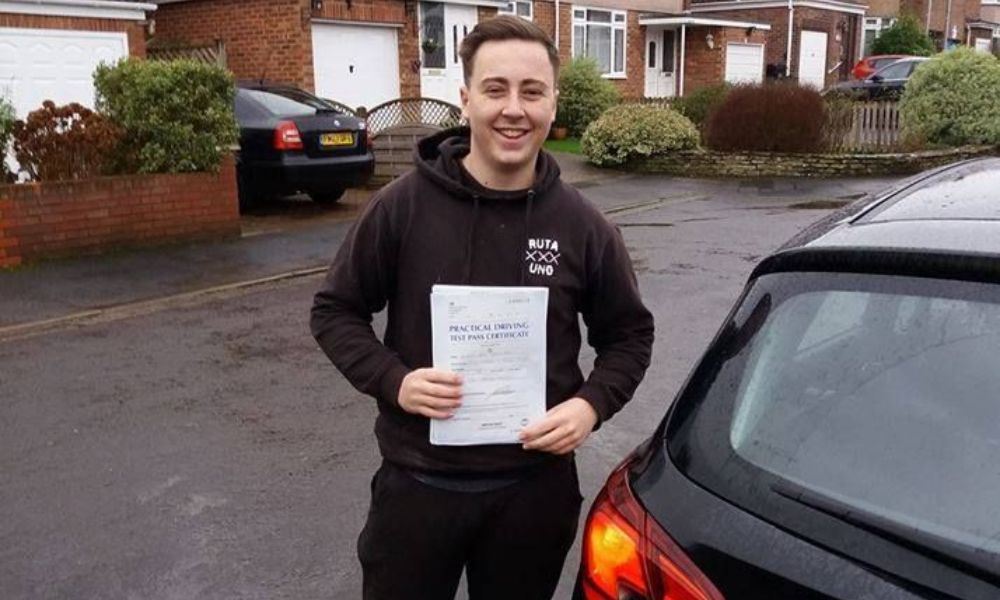
Finding the best driving schools near me sounds simple — until you realize how many options are out there and how differently they operate. The driving school you choose will shape your habits, your confidence, and your ability to stay safe on the road for decades. Quality instruction isn’t a bonus; it’s the foundation. A skilled, certified instructor teaches you far more than how to pass a test. They build the kind of road awareness and decision-making that protects you and everyone around you. Not all driving schools offer the same level of training, and the difference between a good school and a poor one can genuinely affect your outcome. This guide will help you make a smart, informed choice.
Why Choosing the Right Driving School Is Important
The school you pick does more than prepare you for a practical driving exam. It shapes how you think behind the wheel.
Students who train with qualified, experienced instructors consistently develop stronger defensive driving skills. They learn to read traffic early, anticipate hazards, and respond calmly under pressure — not just follow instructions from a checklist.
Consider this: two students both pass their tests, but one learned from a certified instructor who used structured lesson plans and mock driving tests. Six months later, that student handles a sudden rainstop on the highway without panic. The other, who rushed through cheap lessons, freezes.
Good driving schools also teach local traffic laws, school zone rules, and road-specific conditions that generic online resources miss. That local knowledge matters when you’re navigating real streets near your home.
Higher student pass rates at reputable schools reflect better preparation — not luck.
What Makes a Driving School the Best?
Qualified and Certified Instructors
State licensing requirements exist for a reason. A certified driving instructor has completed formal training, passed background checks, and demonstrated the ability to teach safely. Before booking, confirm your instructor holds a current state license.
Experience matters too. An instructor who has worked with beginner drivers, nervous adults, and teen drivers brings adaptability to every lesson. Ask how they adjust their teaching method when a student struggles.
Positive Student Reviews
Driving school reviews tell you what the school’s website won’t. Look for specific mentions of patience, structured lessons, and test preparation quality — not just “great instructor!”
Check Google reviews, Yelp, and local Facebook groups. Look for patterns. One bad review means little; five reviews mentioning the same problem is a signal. Success stories from recent students are especially useful for gauging current quality.
Modern Training Vehicles
Dual-control vehicles are non-negotiable for learner driver lessons. They allow the instructor to intervene safely if needed. The best schools also offer both automatic driving lessons and manual transmission options so you can train on the vehicle type that suits your goals.
Newer vehicles with backup cameras, lane alerts, and updated safety technology give you a better learning environment and reflect the cars you’ll actually drive.
Flexible Scheduling
Life doesn’t stop for driving lessons. Look for schools that offer evening lessons, weekend classes, and intensive driving courses for those who want to learn quickly. Whether you’re a teen fitting lessons around school or an adult with a full work schedule, flexibility should be part of the package.
How to Search for the Best Driving Schools Near You
Finding the right local driving schools takes a bit of effort, but it’s worth it. Here’s a practical checklist:
- Search “best driving schools near me” on Google Maps and check star ratings
- Read at least 10–15 recent reviews per school
- Visit each school’s website to check instructor credentials and pricing
- Ask family members or friends who passed recently for personal recommendations
- Check the school’s social media pages for student feedback and activity
- Confirm the school is properly licensed with your state’s DMV or motor vehicle authority
- Call and speak to someone — how they treat you before you book says a lot
Questions to Ask Before Choosing a Driving Instructor
Use this table when comparing schools. Bring it to your first call or consultation.
| Question | Why It Matters |
| How many years of experience do you have? | Experience with diverse learners affects teaching quality |
| What is your current student pass rate? | High pass rates signal effective driving test preparation |
| What type of vehicles do you use? | Dual-control and modern vehicles improve safety |
| Do you offer automatic driving lessons? | Important if you plan to drive an automatic vehicle |
| What are your lesson prices and package options? | Helps you compare driving lesson packages fairly |
| Can you pick me up and drop me off? | Convenience affects consistency and attendance |
| What does a typical lesson plan look like? | Structured plans produce better results than ad-hoc lessons |
| What is your cancellation policy? | Protects you from unexpected charges |
Warning Signs of a Poor Driving School
Not every school that shows up in a search for driving lessons near me is worth your time or money. Watch out for these red flags:
- No online reviews or a suspiciously small number — reputable schools accumulate feedback naturally
- Vague or hidden pricing — unclear costs often lead to unexpected charges
- Unlicensed or uncredentialed instructors — always verify state certification
- Poor communication — if they’re hard to reach before you book, it won’t improve after
- Outdated vehicles without dual controls or basic safety features
- No structured lesson plan — winging it is not a teaching method
Benefits of Learning with a Professional Driving Instructor
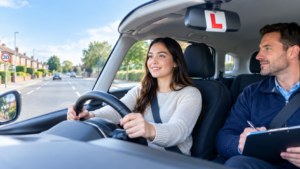
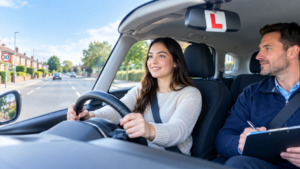
A professional instructor doesn’t just sit in the passenger seat. They actively build your skills.
Take Sarah, a 17-year-old who was terrified of highway merging. Her certified instructor spent three lessons specifically addressing that scenario, using calm verbal cues and a progressive approach. By her practical driving exam, merging felt routine.
Or consider Marcus, a 35-year-old adult learner who hadn’t driven in years. His instructor used structured defensive driving skills training and mock driving tests to rebuild his confidence without pressure. He passed on his first attempt.
Professional road safety training reduces anxiety, accelerates learning, and creates safer long-term driving habits. Are driving schools worth it? For most people, absolutely — especially when the alternative is picking up bad habits from well-meaning family members.
How Much Do Driving Lessons Usually Cost?
How much do driving lessons cost? In most parts of the US, individual lessons run between $50 and $100 per hour, depending on location and instructor experience.
Driving lesson packages typically offer a discount — for example, 10 lessons for the price of 8. Intensive driving courses, which compress training into a week or two, often cost $800–$1,500 total but can speed up your timeline significantly.
Don’t choose based on price alone. A school charging $40 a lesson with vague credentials and no structure may cost you more in retakes, stress, and wasted time than one charging $75 with a strong track record.
Value beats cheap every time.
Local SEO Section: Quick Answers for Common Questions
How do I find the best driving schools near me?
Search Google Maps, read verified reviews, check state licensing, and ask people you trust who passed their test recently.
Which driving school has the highest pass rate near me?
Ask schools directly for their pass rate data. Check local forums and Google reviews for mentions of first-time pass success.
Are intensive driving courses worth it?
Yes, for motivated learners who can commit fully. They reduce the time between starting lessons and taking your test, though they require focus and stamina.
How many driving lessons do beginners need?
Most beginner drivers need between 40 and 60 hours of combined professional instruction and private practice before they’re test-ready. Rushing increases the chance of failure.
Final Thoughts
Choosing where to learn to drive is one of the more important decisions you’ll make as a new driver — or as a parent guiding a teenager. The right instructor, the right structure, and the right school create a foundation that lasts well beyond the test.
Take time to compare local driving schools, read verified driving school reviews, and ask the right questions before you commit. Book an introductory lesson to get a feel for the instructor’s approach before signing up for a full package.
Choose certified driving instructors who prioritize safety, build real road confidence, and prepare you for driving — not just for the test. That investment pays off every time you get behind the wheel.