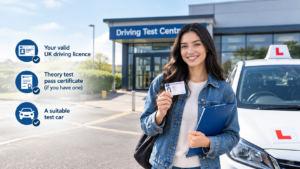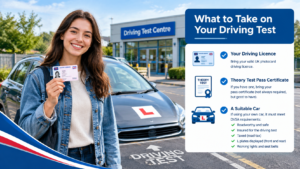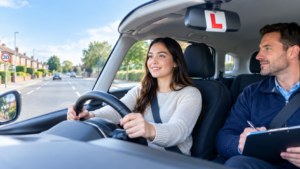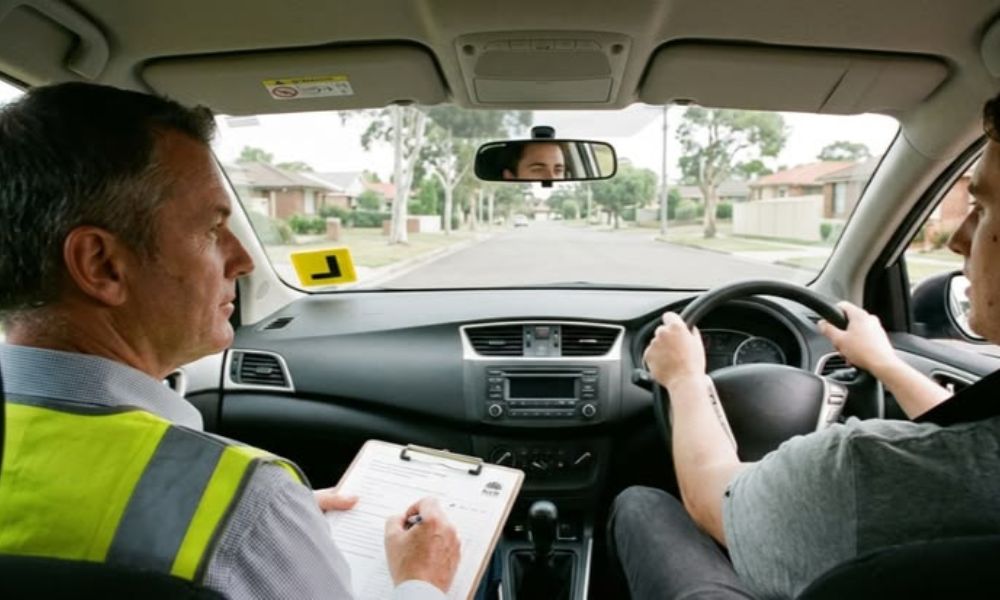
Wondering how to pass your driving test quickly without cutting corners? The short answer is that some learners can reach test standard faster than others, but there is no legitimate shortcut that replaces proper training and consistent practice. Speed comes from smart, focused preparation, not from rushing to book a test before you are genuinely ready. This guide explains how to make every hour of learning count, how to prepare for the DVSA practical driving test, and when an intensive course might suit you. Throughout, the aim is simple: help you become a safe, confident, independent driver as efficiently as possible.
There is an important difference between learning quickly and rushing a test. Learning quickly means building solid skills at a steady, well-planned pace. Rushing means sitting your test before you can drive safely on your own, which usually leads to a fail and more cost later.
Can You Really Pass Your Driving Test Quickly?
Yes, some learners do pass quickly, but only when they are truly test-ready. Passing fast is realistic for people who prepare well, practise often and focus on the right skills.
Several things affect how fast you progress. Lesson frequency matters a great deal. Learners who take lessons twice a week tend to keep their momentum, because less is forgotten between sessions. Regular practice reduces the time spent re-learning skills that have faded, so you move through the learning stages more smoothly.
Individual ability, confidence and previous experience also play a part. Someone who has driven abroad or cycled busy roads for years often picks things up faster than a complete beginner. That is perfectly normal, and neither path is better or worse.
The key point is that test readiness matters far more than counting lessons. Two learners could reach the same standard after very different hours behind the wheel. Be wary of any claim that everyone can pass in a week. Realistic, honest preparation always beats a false promise.
7 Practical Ways to Pass Your Driving Test Faster
These strategies help you learn efficiently while keeping safety at the centre of everything.
- Learn with a structured plan. Know which skills you are developing and what still needs work. A clear plan means you stop guessing and start progressing. Ask your instructor what today’s goal is and what to focus on next.
- Take lessons consistently. Regular lessons maintain continuity and reduce forgetting between sessions. Gaps of several weeks force you to relearn skills you had almost mastered, which wastes time and money.
- Practise between lessons. Where it is legally appropriate, supervised private practice reinforces professional instruction. Driving with a qualified supervising driver adds valuable road experience and helps skills settle faster.
- Focus on your weakest skills. Repeatedly practising things you already do well feels comfortable but is inefficient. Targeting recurring problems, such as roundabouts or reversing, delivers far quicker improvement.
- Use mock tests. Realistic mock tests reveal weaknesses, sharpen your decision-making and reduce test-day nerves. They show you what the real thing feels like, so nothing catches you off guard.
- Learn the roads around your test area. Familiarity with local junctions, roundabouts and common traffic situations builds confidence. That said, you must be able to drive safely on any road, not simply follow a memorised route.
- Choose the right learning format. Weekly lessons work well for many learners. For others who want a concentrated programme, an intensive or fast-track course may suit them better. The right choice depends on your circumstances and goals.
Consider an Intensive Driving Course
An intensive driving course concentrates your learning into a shorter timeframe, which can speed up progress for the right learner. Rather than spreading lessons over many months, you complete several hours in quick succession, so skills stay fresh.
Flex Driving Academy offers intensive options designed to help learners work towards test readiness more efficiently. These currently include a 12-hour Intensive Course, a 24-hour Fast Pass, and a 36-hour Fast Forward programme. The right choice depends on your existing ability, confidence and an honest assessment of your driving, rather than assuming every learner needs the longest or shortest package. A beginner may need more hours, while someone with real experience may need fewer.
If you would like to understand this route in more detail, this guide to the fast-track intensive driving course explains how it works. Speaking with an instructor first is always the best way to decide whether intensive learning is realistic for you. No course can guarantee a pass, but a well-matched programme can make preparation more focused.
Should You Learn Manual or Automatic?
The best choice depends on your goals, confidence and circumstances. Both routes lead to a full licence, so neither is automatically “right”.
Manual lessons involve managing the clutch, gears and extra vehicle control, which gives you a licence to drive both manual and automatic cars. Some learners enjoy that added control and want the flexibility it brings.
Automatic vehicles remove the clutch and gears, which simplifies some aspects of learning. Many learners find automatic feels easier, because they can focus more on reading the road and less on co-ordinating their feet. This can suit nervous learners especially well.
Keep in mind that an automatic licence only allows you to drive automatic cars. Automatic learners do not always pass faster, so choose the option that fits your long-term plans. Flex Driving Academy provides both manual and automatic driving lessons, so you are never limited to one path.
How to Prepare for the Practical Driving Test
Strong preparation covers every part of the drive, not just the manoeuvres. Aim for safe, consistent and independent driving rather than memorising a single test route.
Work on your vehicle safety checks and practise the show me, tell me questions until they feel natural. On the road, focus on:
- Observation and mirror use — check early and often, in the correct sequence
- Signalling — clear and well-timed, never misleading
- Speed control and positioning — appropriate for the road and conditions
- Junctions and roundabouts — safe gaps, correct lanes and confident emerging
- Parking manoeuvres — parallel parking, bay parking and pulling up on the right
- Independent driving — following directions or a sat-nav calmly
- Hazard awareness and decision-making — spotting risks early and responding smoothly
The examiner wants to see that you can drive safely without help. Build that ability and the test becomes far less daunting.
How to Reduce Driving Test Nerves
Nerves are completely normal, and there are practical ways to keep them in check. The goal is calm, safe driving, not flawless perfection.
- Complete mock tests so the real experience feels familiar
- Practise unfamiliar roads to build adaptable confidence
- Use realistic test conditions during lessons
- Keep a consistent lesson routine so skills stay sharp
- Ask your instructor for honest feedback, so you know where you stand
- Avoid last-minute cramming, which usually adds stress rather than skill
- Get a proper night’s rest before the test
- Focus on driving safely, not on being perfect
Flex Driving Academy’s patient, DVSA-approved instructors are experienced at supporting nervous learners, pacing lessons to your comfort level so confidence grows naturally.
Common Mistakes That Can Slow Down Your Progress
A few habits quietly hold learners back. Correcting them makes your preparation far more efficient.
- Taking long breaks between lessons, which forces constant relearning
- Ignoring instructor feedback instead of acting on it
- Repeating the same mistakes without addressing the cause
- Booking the test too early, before you are ready
- Trying to memorise routes rather than learning genuine driving skills
- Focusing only on manoeuvres while neglecting everyday driving
- Skipping practice of the independent driving section
- Becoming overly dependent on instructor prompts
- Letting nerves affect your observation and decision-making
Fix these and you will progress noticeably faster, with fewer wasted lessons.
How Do You Know You’re Ready for the Test?
You are ready when you can drive safely and consistently with minimal or no instructor assistance across a variety of normal road situations. Readiness is about skill, not a set number of hours.
Signs you are ready include:
- Completing full drives without prompting
- Handling junctions and roundabouts safely and confidently
- Performing manoeuvres accurately and calmly
- Managing the independent driving section without help
- Recognising hazards early and responding well
- Adapting to changing traffic conditions
- Completing realistic mock tests successfully
- Correcting the occasional mistake without becoming overwhelmed
If you are unsure how much preparation you still need, this guide on how many driving lessons you need before your test offers a helpful, realistic view. Completing a specific number of hours never guarantees readiness on its own.
Frequently Asked Questions
How can I pass my driving test quickly?
Prepare with a structured plan, take lessons consistently, practise between sessions, target your weakest skills and complete mock tests. Passing quickly comes from focused, safe preparation, never from rushing before you are ready.
Can I pass my driving test in a few weeks?
Some learners do, particularly with frequent lessons or an intensive course and enough prior experience. It depends on your ability, confidence and how much you practise. Readiness always comes first.
Are intensive driving courses faster?
They can be, because they concentrate your hours into a shorter period, so less is forgotten between sessions. They suit some learners better than others, so an instructor assessment helps you decide.
How many driving lessons do I need before my test?
There is no legal minimum. Many learners benefit from around 30 to 45 hours of professional tuition, often with private practice, but your instructor’s honest assessment matters far more than any average.
Is automatic easier to learn than manual?
Many learners find automatic simpler, as there is no clutch or gears to manage. However, an automatic licence only covers automatic cars, and automatic learners do not always pass faster.
How do I reduce driving test nerves?
Complete mock tests, keep a consistent lesson routine, practise unfamiliar roads, rest well beforehand and focus on driving safely rather than perfectly. Familiarity is the best cure for nerves.
Final Thoughts
Learning how to pass your driving test quickly really comes down to preparing well, practising consistently and knowing when you are genuinely test-ready. Speed should never replace safety or proper training. Whether you choose weekly lessons or an intensive programme, the aim is the same: to drive confidently and independently for life. If you are looking for supportive, flexible driving lessons in South West London, covering areas such as Wallington, Sutton, Croydon and Morden, Flex Driving Academy’s DVSA-approved instructors can help you plan a sensible, efficient route towards your test.