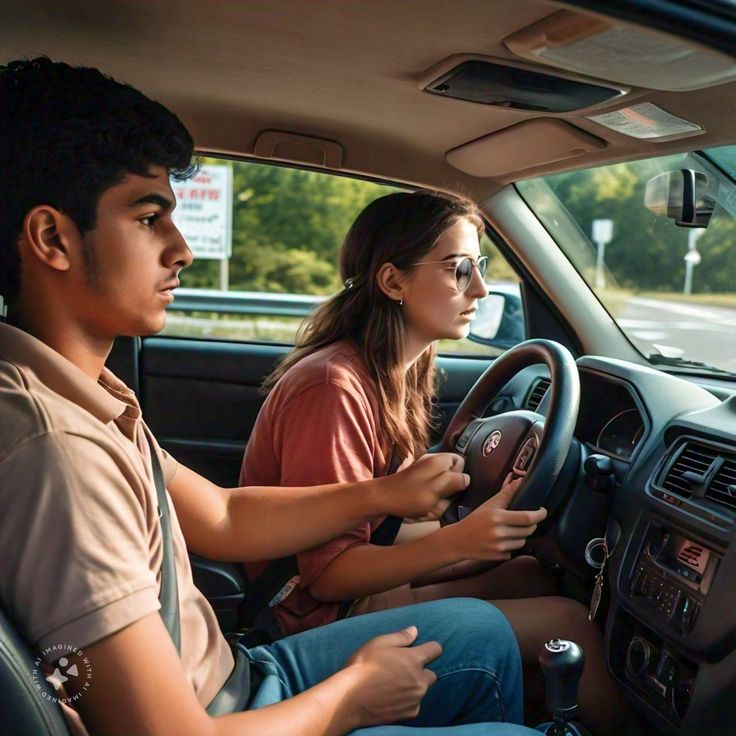
Learning to drive is an exciting milestone, but before you get behind the wheel, you have a big choice to make. Choosing between manual and automatic driving lessons is one of the first hurdles for new drivers in 2026.
For decades, learning in a manual car was the default in the UK. Today, the rise of electric vehicles (EVs) is changing how we drive. If you are struggling to decide which route is right for you, you are not alone.
This guide will break down the differences in cost, difficulty, learning time, and long-term flexibility. By the end, you will know exactly which path fits your budget, confidence level, and future driving needs.
What Is the Difference Between Automatic and Manual Cars?
The main difference between manual and automatic cars is how the gears shift.
In a manual car, you have three pedals: the accelerator, the brake, and the clutch. You also have a gear stick. You must press the clutch and manually move the gear stick to change gears as your speed increases or decreases.
In an automatic car, there is no clutch pedal and no gear stick to shift while driving. The car has a gearbox that automatically changes gears for you based on your speed. You only have two pedals to worry about: the accelerator to go and the brake to stop.
Automatic vs Manual Driving Lessons UK: Key Differences
When comparing automatic vs manual driving lessons UK, the learning experience is quite different.
In a manual lesson, your first few hours are mostly spent mastering “the bite point” of the clutch. You learn how to move off safely without stalling the engine. It takes time to build the muscle memory needed to steer, check mirrors, and change gears all at once. The average learner needs about 45 hours of professional lessons to be test-ready in a manual car.
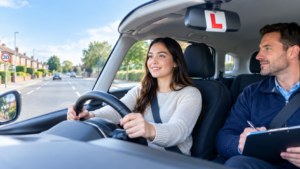
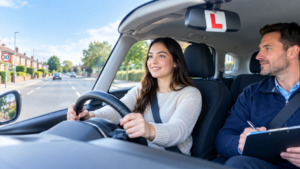
In an automatic lesson, you spend almost zero time learning how to make the car move. Because you cannot stall an automatic, you can immediately focus on the road. You spend more time learning how to navigate traffic, read road signs, and handle junctions. As a result, many learners are ready for their test in just 30 to 35 hours.
Is Automatic Easier Than Manual Driving? (Beginner Guide)
Yes, most people find automatic cars much simpler to operate. When new learners ask if is automatic easier than manual driving, the answer comes down to mental workload.
Without a clutch pedal and gear stick, you have less to think about. This is especially helpful for nervous beginners. Managing gears while approaching a busy roundabout can cause panic. In an automatic, you simply brake as you approach and accelerate when it is safe to go.
It is also very common for learners to switch from manual to automatic. If you have failed a manual driving test due to stalling or poor gear choices, switching to an automatic can quickly rebuild your confidence. Many learners who struggle for months in a manual car pass their automatic test in just a few weeks.
Automatic Driving Lessons Benefits
Choosing to learn in an automatic comes with several major advantages. The top automatic driving lessons benefits include:
- Faster learning time: Because you skip clutch control, you reach test standard quicker.
- Less driving anxiety: Nervous drivers feel more relaxed when they do not have to worry about stalling in busy traffic.
- Easier hill starts: Automatic cars do not roll backward easily, making hill starts simple and stress-free.
- Better focus on the road: You can dedicate all your attention to spatial awareness and hazard perception.
Manual vs Automatic Driving Test UK: What Changes?
You might wonder if the driving test itself is different. The manual vs automatic driving test UK follows the exact same structure and standards set by the Driver and Vehicle Standards Agency (DVSA).
Whether you drive a manual or an automatic, the examiner expects you to drive safely, follow the speed limit, and complete maneuvers properly.
The biggest change is simply what you cannot be penalized for in an automatic. You will not get a minor or major fault for stalling, coasting with the clutch down, or selecting the wrong gear. However, there is a catch: if you pass your test in an automatic, your driving license will only allow you to drive automatic cars. If you pass in a manual, your license covers both manual and automatic vehicles.
Cost Comparison: Automatic vs Manual Lessons
When deciding which route to take, cost is a massive factor. Manual instructors are more common, so their hourly rates are usually a bit lower. However, because you need fewer lessons in an automatic, the total cost often balances out.
Here is a look at how they compare for the average UK learner in 2026:
| Feature | Manual Lessons | Automatic Lessons |
| Hourly Cost | Slightly cheaper | Slightly more expensive |
| Average Lesson Count | 45 hours | 30 – 35 hours |
| Difficulty Level | Harder (clutch control) | Easier (no stalling) |
| Test Pass Rate | Average | Generally higher for nervous drivers |
| License Flexibility | Can drive manual and automatic | Can only drive automatic |
Who Should Choose Automatic Driving Lessons?
Automatic driving lessons are an excellent choice if:
- You are an anxious driver who feels overwhelmed by gears.
- You want to pass your test and get on the road quickly.
- You live in a busy city where constant stop-and-start traffic makes driving a manual tiring.
- You plan to buy a modern electric vehicle (EV) or hybrid, as these are all automatic.
Who Should Choose Manual Driving Lessons?
Manual driving lessons are the right path if:
- You want maximum flexibility to drive any car, including older used vehicles or rental cars abroad.
- You plan to drive commercial vehicles like vans, which are still heavily manual in the UK.
- You are on a tight week-to-week budget and want the lowest possible hourly lesson rate.
- You enjoy the mechanical feeling of shifting gears and having full control of engine power.
Final Verdict – Which Should You Choose in 2026?
The UK driving landscape is changing fast. While manual cars are still the standard for many driving schools, the trend is shifting. With the upcoming bans on new petrol and diesel cars, the future of UK roads is electric. Because all electric cars are automatic, an automatic-only license is no longer the restriction it once was.
If you want the most flexibility for buying cheap, older used cars today, learning manual is a smart move. But if you value a stress-free learning experience, a quicker route to your license, and preparation for an EV future, automatic driving lessons are likely the better choice for you.
FAQs
Is automatic easier than manual driving?
Yes. By removing the clutch and gear stick, automatic cars allow you to focus purely on steering, road signs, and other drivers. You never have to worry about stalling.
Can I switch from manual to automatic?
Absolutely. Many learners switch to automatic if they find manual lessons too stressful or if they fail a manual test. Your logged hours of road experience will still help you progress quickly in an automatic.
Which is cheaper in the UK?
Manual lessons are usually cheaper per hour because there are more manual instructors. However, because learners often require fewer hours in an automatic car to pass their test, the overall total cost is often very similar.
Will an automatic license limit what cars I can buy?
It will limit you to automatic cars. While this rules out many older petrol and diesel cars, almost all new electric and hybrid cars are automatic. If you plan to buy a modern car, an automatic license is perfectly fine.