Most driving lessons in the UK last between one and two hours. There is no single legal duration for an individual lesson, so the right length depends on the learner, the instructor and the goal of each session. At Flex Driving Academy in Wallington, standard single lessons are charged per hour with a 2-hour minimum booking, which gives learners enough time to practise, get feedback and build confidence without becoming mentally tired.
Lesson length matters more than many beginners expect. Too short, and you barely settle before it ends. Too long, and fatigue can slow your learning. In this guide, we’ll explain typical driving lesson hours, why two-hour sessions are so common, and how duration links to becoming test ready.
Here’s what you’ll learn:
- How long driving lessons usually last in the UK
- Why the two-hour driving lesson is so popular
- When shorter or longer sessions make more sense
- How lesson length differs from total learning time
How Long Is a Driving Lesson in the UK?
A typical UK driving lesson lasts between 60 and 120 minutes. Providers set their own booking policies, so you’ll come across several common formats:
- 1-hour lessons – short, focused sessions, often used for refreshers or single-skill practice.
- 90-minute lessons – a middle ground giving extra practice without a full two hours.
- 2-hour lessons – the most popular standard format, offering plenty of driving time.
- Longer intensive sessions – several hours in a day as part of a structured course.
There’s no legally required duration for one lesson. The appropriate length depends on your ability, experience, concentration and objectives. Flex Driving Academy offers both manual and automatic driving lessons and currently runs standard lessons on a 2-hour minimum booking. You can review current driving lesson prices to see how per-hour charging works.
In short: most lessons run one to two hours, but the ideal length is the one that keeps you learning effectively.
Why Are Two-Hour Driving Lessons Popular?
The two-hour driving lesson has become the go-to choice for good reason. It simply makes better use of your time.
- More time behind the wheel – less of your session is spent setting up.
- Less repetition – you don’t lose momentum reviewing last week’s progress.
- Practise several skills – junctions, roundabouts and manoeuvres in one sitting.
- Reach different roads – time to travel to quieter streets or busier routes.
- Structured feedback – your instructor can coach, adjust and re-attempt skills.
- Test-route practice – useful for tackling complex traffic and typical test areas.
That said, two-hour lessons aren’t automatically right for everyone. Some beginners find longer sessions tiring at first. A good instructor adjusts the pace and builds in short breaks where needed, so concentration stays high.
In short: two-hour lessons offer excellent value for practical time, but comfort and focus still come first.
What Happens During a Typical Driving Lesson?
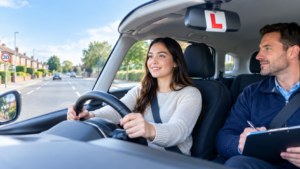
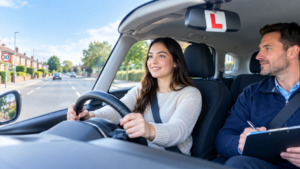
Lessons aren’t just “get in and drive.” A well-planned session follows a rough shape, though these timings are a guide rather than official rules.
1. Initial briefing
You’ll review previous progress, agree learning objectives and cover any safety points for the day.
2. Vehicle preparation
Adjust your seat, mirrors and head restraint, then run through the controls and safety checks.
3. Practical driving
The majority of your lesson should involve supervised driving and active skill development.
4. Specific skill practice
Depending on your stage, this might include:
- Junctions and roundabouts
- Parking and reversing manoeuvres
- Lane positioning and speed control
- Hazard awareness and observation
- Dual carriageways and independent driving
5. Feedback and next steps
Your instructor highlights strengths, pinpoints weak areas and sets priorities for next time.
In short: a strong lesson balances briefing, driving and feedback, so every minute counts toward safer, more confident driving.
Are Longer Driving Lessons Better for Learners?
Not always. Lesson length should be based on learning effectiveness, not simply spending more time in the car.
Longer lessons can help when you’re:
- Able to concentrate well for extended periods
- Preparing for your practical driving test
- Practising motorway or dual-carriageway driving
- Building confidence across several road environments
- Following an intensive driving programme
Shorter sessions may suit you if you’re:
- A very nervous beginner
- Prone to mental fatigue after an hour or so
- Focusing on one specific skill
- Working around limited availability
Quality, consistency and clear instructor feedback matter as much as the clock. A focused 90 minutes can beat a distracted two hours.
In short: longer isn’t always better—match the length to how well you learn and retain each skill.
How Long Are Intensive Driving Lessons?
Intensive driving lessons work differently. Instead of one weekly session, you complete several hours of training across a day or a short block of days.
Flex Driving Academy offers intensive options to suit different needs:
- 12-hour course – £480 (inside M25) / £510 (outside M25)
- 24-hour Fast Pass – £960 (inside M25) / £1,020 (outside M25)
- 36-hour Fast Forward – £1,440 (inside M25) / £1,530 (outside M25)
An intensive course doesn’t mean driving non-stop for hours on end. Training is structured with breaks to protect your concentration and learning quality. If you want a faster route to your test, explore the fast-track intensive driving course to see which programme fits.
In short: intensive courses condense learning into focused blocks, but rest and structure remain essential.
How Often Should You Have Driving Lessons?
Frequency shapes how quickly you progress. Long gaps mean you spend valuable time relearning old skills instead of building new ones.
Common approaches include:
- One lesson a week – steady, manageable, ideal for many learners.
- Two lessons a week – faster progress and stronger skill retention.
- Longer sessions – fewer bookings but more driving each time.
- Professional lessons plus private practice – where legally permitted and properly insured, this reinforces what you learn.
There’s no way to guarantee a pass within a set number of weeks. What we can say is that consistency helps you retain vehicle control, road awareness and decision-making. Regular, focused practice is the reliable path forward.
In short: whatever the frequency, consistency beats cramming for long-term progress.
Does Manual or Automatic Affect Lesson Length?
The car type influences what you practise, though duration should still follow your individual progress.
Manual driving lessons require extra skills, including:
- Clutch control
- Gear selection and gear changes
- Coordinating the accelerator, clutch and brakes
Automatic driving lessons remove clutch and gear changes. That frees up attention for observation, positioning and traffic awareness, which some learners find less stressful early on.
Flex Driving Academy provides both manual and automatic lessons across Wallington and South West London, so you can choose the option that suits your goals. Keep in mind that an automatic licence only lets you drive automatic cars afterwards.
In short: manual learners juggle more controls, but the right lesson length still depends on you, not just the gearbox.
How Long Should a Beginner’s First Driving Lesson Be?
A beginner driving lesson often focuses on getting comfortable rather than covering huge distances. Your first session typically introduces:
- The vehicle controls
- Seating and mirror adjustment
- Steering technique
- Moving off and stopping safely
- Basic observation
- Clear communication with your instructor
- Safe road positioning
Don’t judge your ability on how much you achieve in that first lesson. A calm, structured introduction builds a stronger foundation for everything that follows. Most learners feel far more settled by their second or third session.
In short: your first lesson is about comfort and control—progress comes with steady repetition.
How Long Does It Take to Become Test Ready?
It’s important to separate lesson duration from total learning time. A two-hour lesson doesn’t mean you’ll need half as many lessons as someone taking one-hour sessions—it simply means more practice per booking.
Total training needs vary significantly from person to person. DVSA guidance suggests most learners need around 45 hours of professional instruction plus roughly 20 hours of private practice before reaching test standard. This is an average, not a promise or a legal minimum.
For more detail, read our guides on how many hours learners need to learn driving and how many driving lessons you need before your test. Ultimately, readiness comes down to whether you can drive safely, independently and consistently—not a fixed number on a chart.
In short: focus on safe, confident driving rather than chasing a specific hour count.
Frequently Asked Questions
How long is a driving lesson?
Driving lessons commonly last between one and two hours. There’s no legally set duration for a single lesson. Flex Driving Academy currently uses a 2-hour minimum for standard lesson bookings, giving learners enough time to practise several skills and receive proper feedback.
Is a 2-hour driving lesson too long?
It depends on your concentration, confidence and how the lesson is structured. Many learners cope well with two hours, especially with short breaks. Very nervous beginners may prefer shorter sessions at first, then build up as their focus and stamina improve.
Are driving lessons usually 1 or 2 hours?
Both formats exist. One-hour lessons suit refreshers or single-skill practice, while two-hour lessons offer more driving time and better value. Providers set their own policies—some offer 90-minute options too. Flex Driving Academy runs standard lessons on a 2-hour minimum booking.
How long should a beginner driving lesson be?
A beginner’s lesson should match their concentration and experience. Complete beginners benefit from a calm, structured start focused on controls, steering and moving off. As confidence grows, longer sessions often become more productive and comfortable.
Can I take a 90-minute driving lesson?
Availability depends on the driving school and instructor. Some providers offer 90-minute slots, while others use a two-hour minimum. It’s always worth checking a school’s booking policy before you plan your schedule.
Are longer driving lessons better?
Longer lessons provide more practical time and fewer interruptions, which many learners find helpful. However, they aren’t automatically better for everyone. If you tire quickly or need to focus on one skill, a shorter, sharper session can be more effective.
How many driving lessons do I need before my test?
There’s no universal number. DVSA guidance points to around 45 hours of instruction plus 20 hours of private practice, but this varies by learner. What matters most is that you can drive safely and independently in a range of conditions.
Ready to Book Your Next Lesson?
Now you know that most driving lessons run one to two hours, and that the ideal length depends on your focus, confidence and goals. Two-hour sessions offer strong value, but consistency and quality feedback drive real progress. Remember to separate lesson length from total learning time, and treat DVSA figures as a helpful average rather than a target. Whether you choose manual or automatic driving lessons, steady practice builds safer, more confident drivers.
If you’re learning in Wallington or across South West London, Flex Driving Academy can help you plan lessons that match your pace—get in touch to book your next session.